When sensory differences shape home life: what 132 mothers reported about daily activities
A UK and Ireland survey asked mothers of children with sensory integration differences how everyday life and relationships are affected—and what helps. Here are the figures, the nuances between groups, and what families can use.
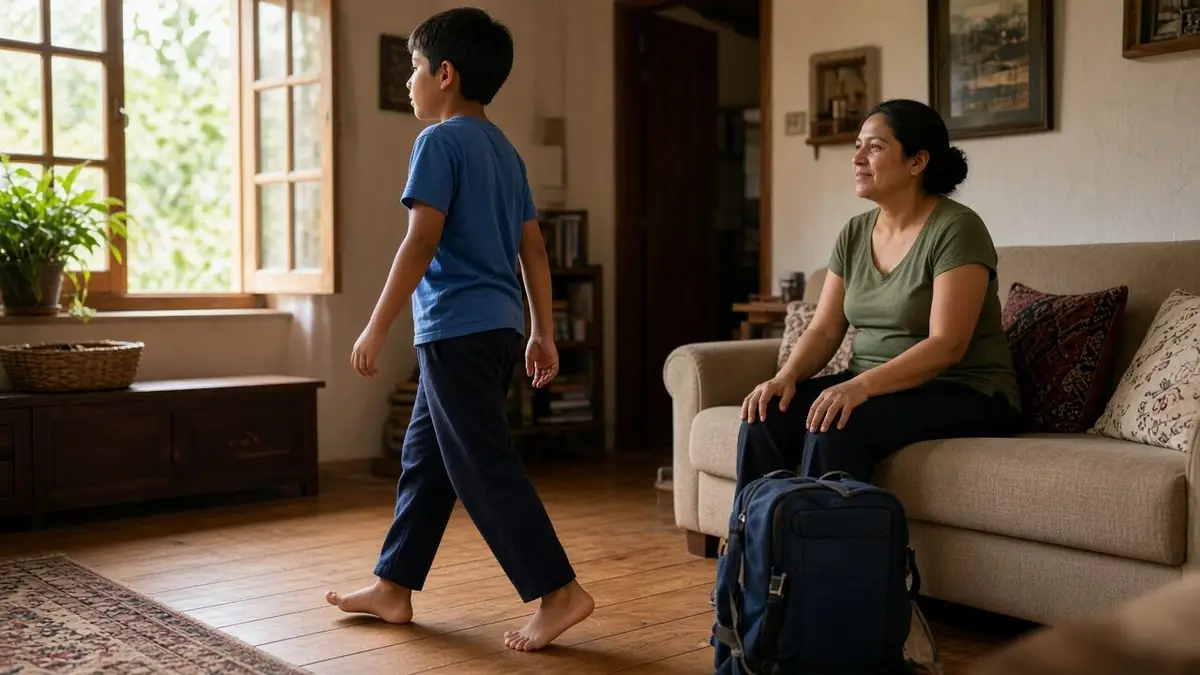
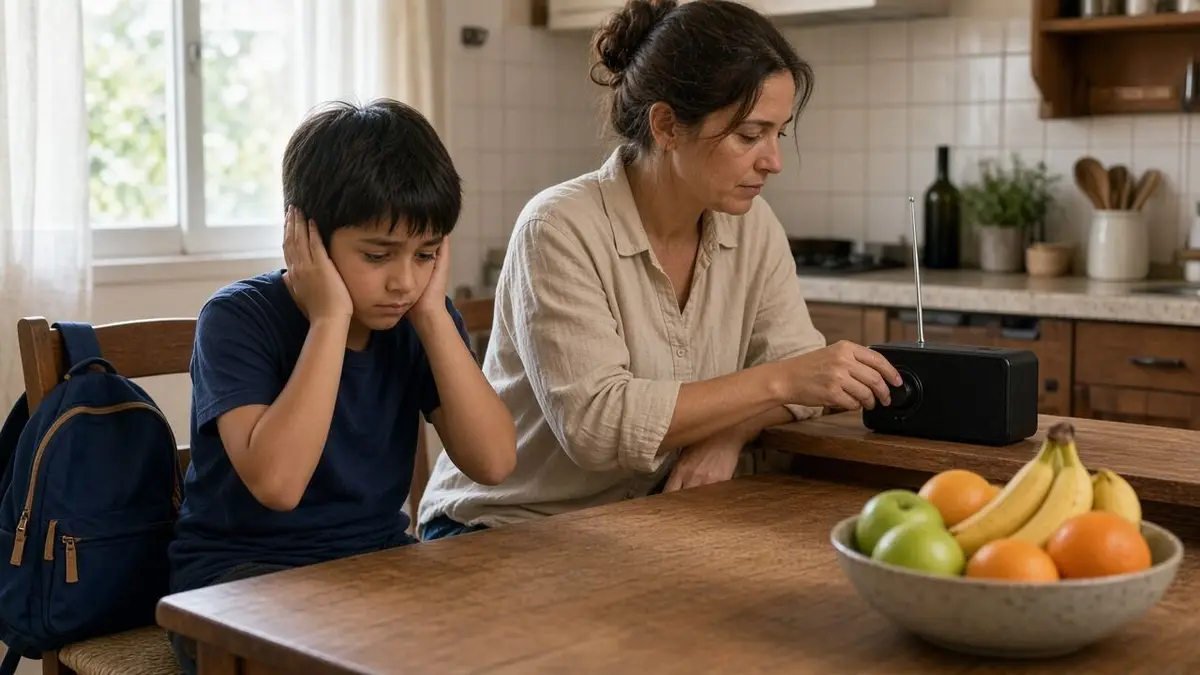
Some evenings, the family table, the school uniform, or the neighborhood park feel like a minefield: lights, textures, smells, and sounds that other people barely notice. A team in the United Kingdom and the United States asked 132 mothers how those sensory integration differences show up at home, at school, and in the community—and which relationships or resources help. Their conclusion is clear: the impact runs through daily life with or without an autism diagnosis, and mothers ask for practical and emotional support plus greater understanding around them.
What they studied
Susan Allen (Oxford Brookes University), with Fiona Knott and Amanda Branson (University of Reading) and Shelly J. Lane (Colorado State University), built an online survey from earlier in-depth interviews with mothers. Between January and March 2020 they gathered residents of the United Kingdom or Ireland: 132 completed forms (79% completion rate) covering at most three children each—175 in total.
Sixty-seven mothers had at least one autistic child; the remaining sixty-five had none. The non-autistic set included mother-reported anxiety (23%), ADHD (17%), developmental coordination disorder (13%), and 28% with no identified diagnosis—all with mother-reported sensory integration differences. Mean mother age was 39; mean age of the children was 9. Likert items covered impact on activities and relationships, helpfulness of relationships and media, and, for a subset, parent-focused training received. Another 64 answered open questions about further support they wanted.
What they found
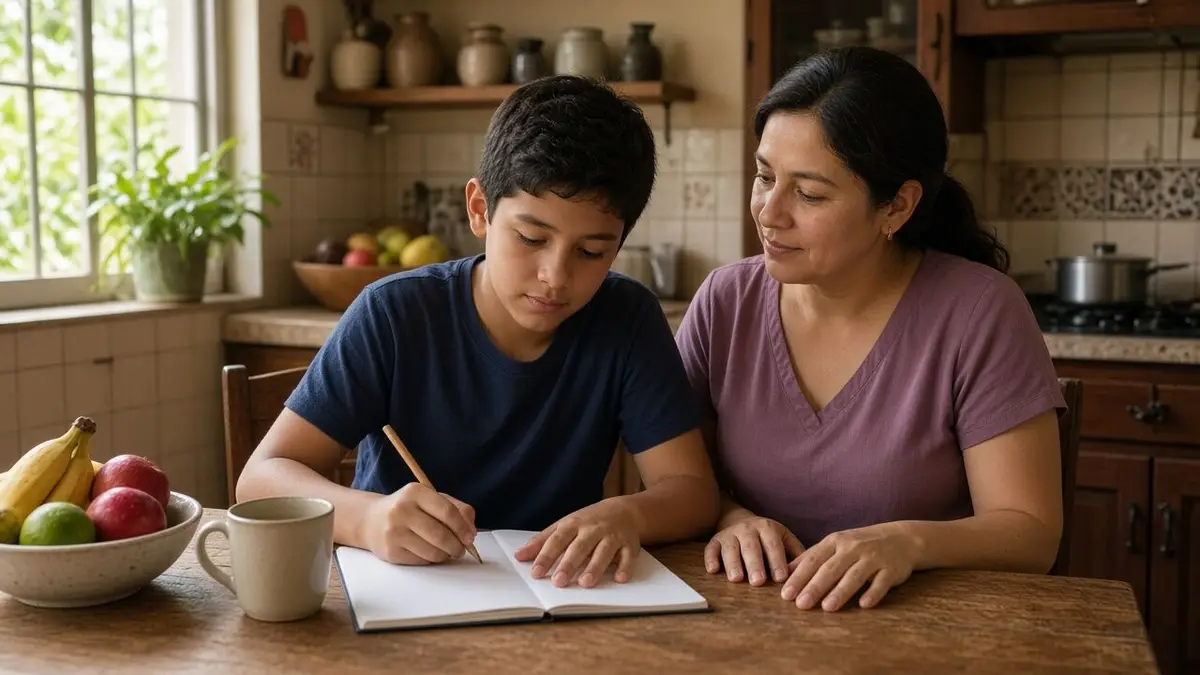
For more than two-thirds of children (69%), mothers reported a negative impact on everyday activities for the child and the family at home, school, and in the community. Almost everyone flagged family mealtimes (92%), morning or evening routines (97%), child self-care (92%), and choosing or joining leisure (81–95%, depending on the item).
Between 68% and 91% of respondents also reported strain on their own relationships and their children’s. For mothers, the strongest hit was with a partner; for children, with peers (96% of responses on that relationship).
Comparing sets, mothers of autistic children reported greater impact in several settings, with moderate effect sizes and a strict threshold (p < 0.01 after correction): family mealtimes and finances at home; school uniform, dressing or undressing, the school canteen, and time spent on school matters; safety, eating out, and leisure in the community. Self-care routines, independent play, and the child’s sleep did not differ significantly. On relationships, strain was greater with family, friends, and community when autism was present; mother–child and mother–school-staff ties showed no significant difference at that threshold (though 75% of those who answered still noted friction with school, with or without autism).
What helped looked similar across sets: no significant differences in how useful partners and family, friends, other parents, professionals, or media were rated. Websites (96%), social media (98%), and books (94%) were widely used and well received. Partners and family—and occupational specialists when available—ranked among the most helpful; doctors, less often. Only 50 mothers (about one third) had received parent-focused training—about 4 hours on average, usually in groups and led by those specialists—and they rated it moderately to very useful. What they still wanted was mainly practical and emotional support for themselves (42 of 64 open responses), specialist access for their child (17), and education of others—school, professionals, community—about sensory integration differences (11).
What we still don’t know
The authors state the limits clearly:
- The survey had no formal psychometric validation; it grew from prior interviews and a pilot with mothers and expert specialists.
- Diagnosis and sensory classification were mother-reported, without a standardized instrument.
- The non-autistic set mixes distinct conditions; there was no comparison arm without sensory integration differences, so some impact may reflect other factors.
- The sample was mostly white and formally educated; online recruitment may favor people already using digital resources.
- Data were collected at the start of the first COVID-19 lockdown (four responses that week), and only mothers were surveyed—not other caregivers.
- Each mother could report on up to three children; finer links between types of sensory difference and specific impacts need future work.
What we can take home
The survey measures perceptions and is not a trial of a specific program, yet three practical ideas stand out:
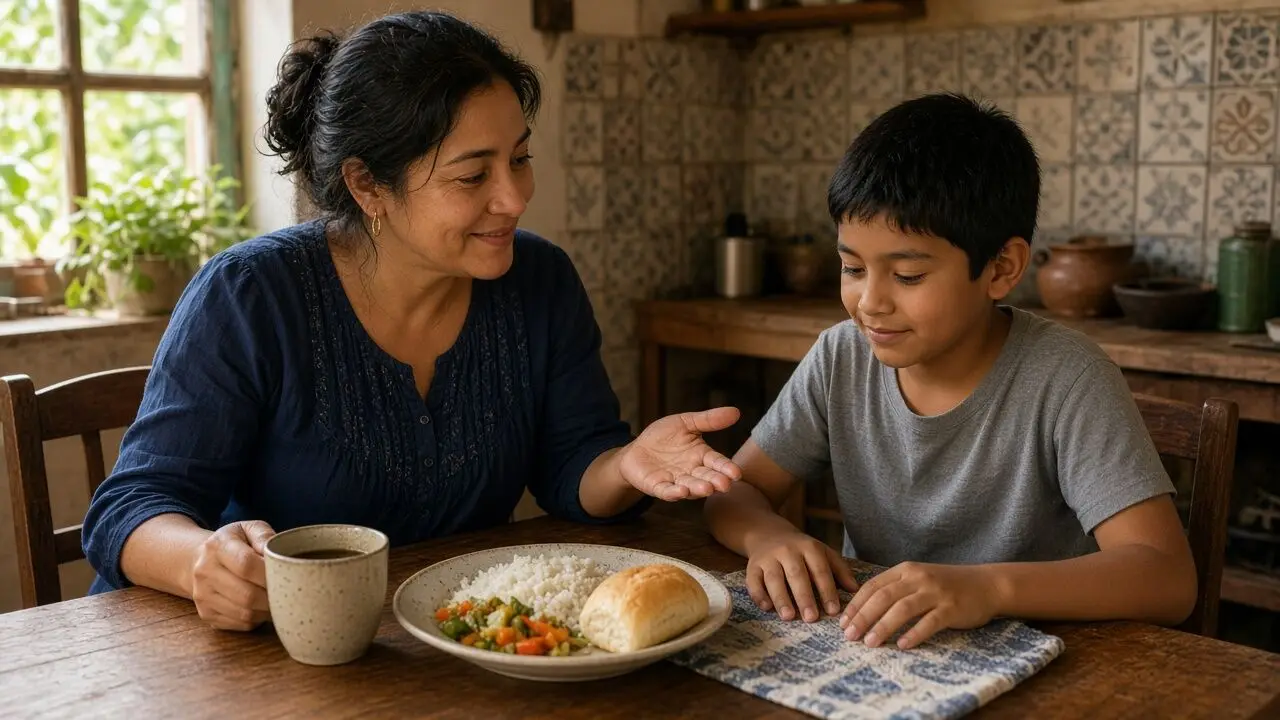
- Look at the whole house, not one moment. Mealtimes, routines, and leisure showed up for almost everyone. Pick one stretch of the day—dinner, for example—and change a single variable: softer light, fewer overlapping conversations, or a seat that does not scratch. Watch for a couple of days before changing anything else.
- Protect the network that holds the adult. Partners, family, and other parents scored high as support. Asking someone you trust to know which textures or noises are hard, or sharing one clear resource, is not a luxury: the study places that network at the heart of what helps.
- Practical information and concrete goals. Mothers valued understanding how sensory differences reshape daily life and trying strategies. At home, set a small visible goal (“ten minutes eating together without forcing a new bite”) and try one adjustment at a time.
The next step: meet your child at their developmental stage with TAEO | EdTech
This survey confirms something that guides our view: sensory integration differences cut across meals, school, leisure, and relationships, and they are not reduced to a label. That is why in TAEO | EdTech the path does not start from a diagnosis, but from what your child already does. The Skills and Competencies Profile walks through the eight aspects of neurodevelopment—including the sensory aspect—and sequences personalized daily activities to practice in real routines, with clear goals and defined steps.
The same proposals are available to every family; what changes is the order according to developmental level. No app replaces the support network these mothers describe; what we can offer is daily accompaniment so those home adjustments become more manageable and more sustained.
At the TAEO Psychoeducational Organization we have poured more than sixteen years of experience into TAEO | EdTech so every family has clear activities and a human team that guides them step by step.
For our official launch in December 2026, you can request an invitation to the free trial using the form below.